A charger that works perfectly and reports nothing is still a liability. Hardware alone cannot tell an operator which units are offline before a driver complains, cannot bill a session automatically, and cannot balance load across a site before a transformer trips. Amaya is the software layer that turns a collection of individually reliable chargers into a single monitored, billable and optimised network, which is the difference between owning hardware and running a business.
What A Charging Network Needs Beyond Hardware
Reliable chargers are the foundation, but a charging business needs four additional capabilities that hardware alone cannot provide: real-time visibility into which units are online, charging or faulted; a billing and payment layer that can handle whatever pricing model the operator chooses; load management that keeps total site power draw within what the grid connection supports; and an open API layer so the network can connect into fleet management, ERP or CRM systems the operator already runs. Amaya is built around exactly these four capabilities, running as the management layer above the OCPP-compliant hardware across the AC and DC product range.
Live Monitoring And Remote Operations
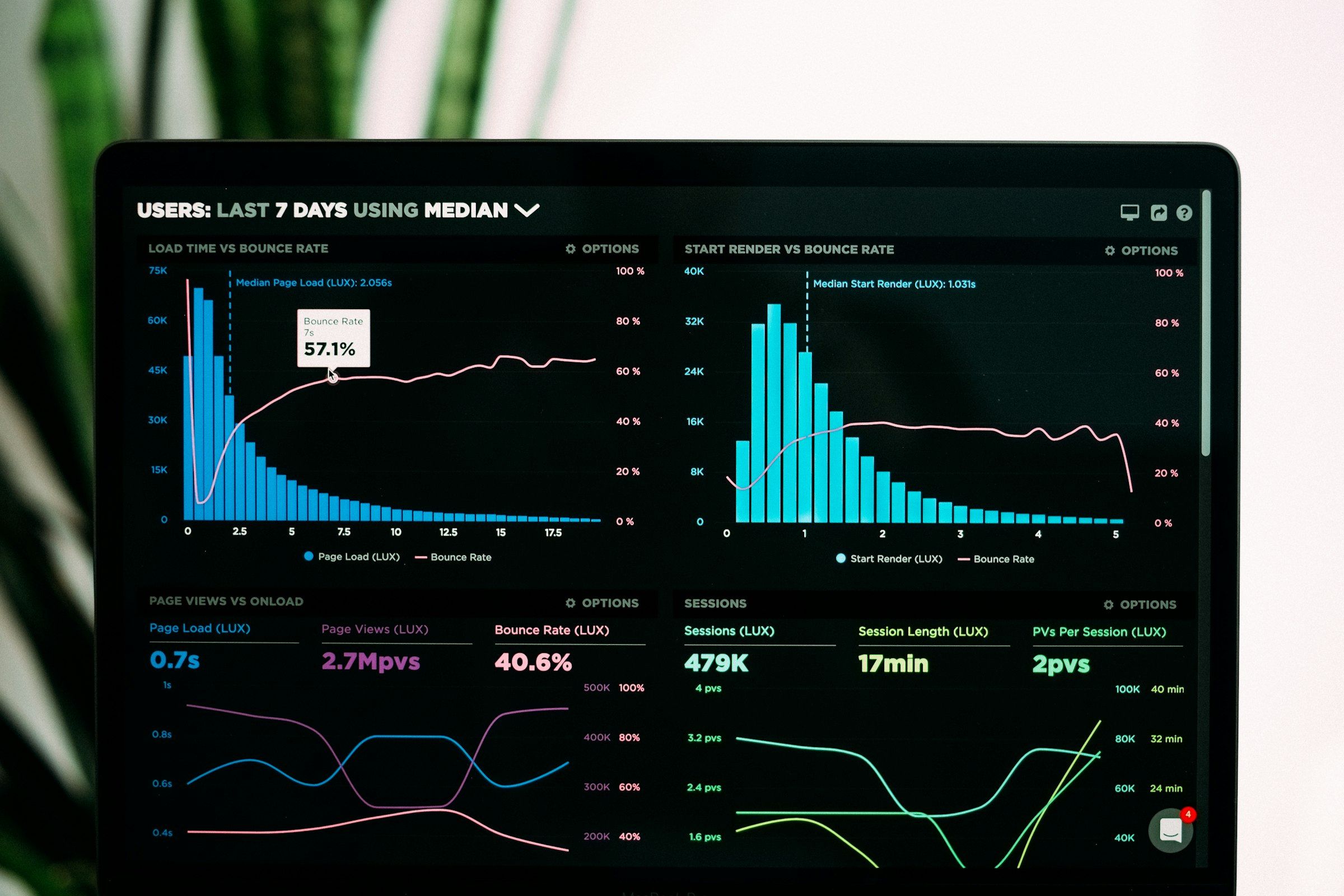
Amaya gives operators a real-time view of every connected charger's status, current session, delivered energy and any fault conditions, accessible from a single dashboard regardless of how many sites the network spans. Because the platform communicates over OCPP, operators can remotely start, stop or reset a session without a technician visiting the site, which matters enormously for distributed networks where a truck roll to diagnose a single offline unit can cost more than the revenue that charger generates in a week. Fault alerts surface automatically, often before a driver on site even notices a problem, turning charger maintenance from reactive to proactive.
Billing, Payments And Flexible Pricing Models
Different charging businesses need fundamentally different pricing: per-kWh billing for public fast charging, flat per-session rates for workplace or residential charging, subscription models for fleet operators, or a hybrid of all three across different site types in the same network. Amaya's billing layer is built to support these models without requiring separate software for each, and integrates with payment providers so a driver can authenticate and pay through an app, RFID card or direct payment without the operator building that infrastructure from scratch. Getting this layer right is often what separates a charging network that generates sustainable revenue from one that simply moves electricity at a loss.
Load Balancing And Site-Level Power Management
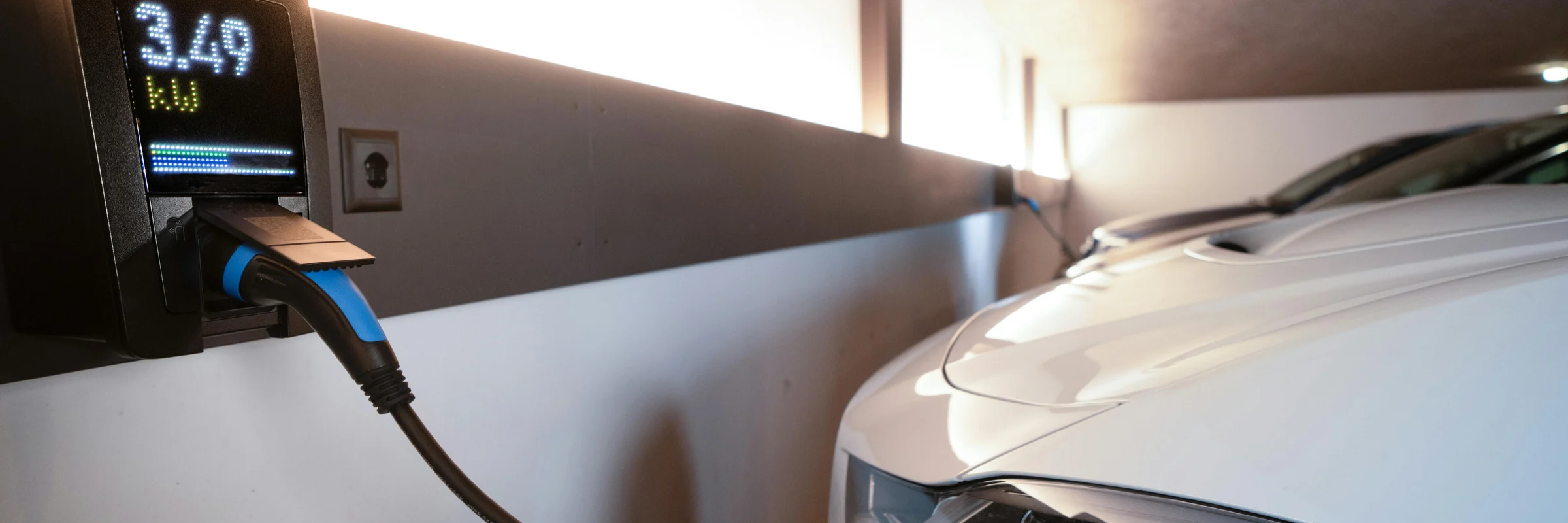
As sites grow to multiple chargers sharing one grid connection, uncoordinated simultaneous charging can exceed the available power budget and trip a breaker or incur demand-charge penalties from the utility. Amaya's load management uses OCPP's smart-charging profiles to dynamically allocate available power across all connected chargers in real time, prioritising active sessions according to rules the operator sets, so a site can safely add more charging capacity over time without a parallel grid upgrade for every new unit. This is one of the clearest examples of why OCPP compliance matters operationally, not just contractually: load balancing at scale is only possible because the protocol gives the platform a standard way to talk to every charger on the network.
Open APIs And Integration With Existing Systems
Few charging operators run their business in isolation from everything else they manage. Fleet operators need charging data inside their existing fleet management software; property owners need it inside their building management or CRM systems; CPOs need it inside whatever roaming and payment network they participate in. Amaya exposes open APIs specifically so none of that requires custom integration work on the operator's side, letting charging data flow into the systems a business already runs rather than forcing operators into a closed, standalone app as their only option for managing the network.
Why The Platform And The Hardware Come From One Source
Running Amaya on hardware from the same manufacturer, rather than pairing third-party software with third-party chargers, removes an entire category of integration risk: firmware and platform updates are tested together, support has a single point of accountability when something goes wrong, and new hardware features reach the platform without waiting on a separate vendor's release cycle. For an operator planning to scale from a handful of chargers to a genuine network, that alignment between software and hardware roadmap is worth more over time than any single feature comparison between platforms, because it is what keeps the whole system working together as the network grows rather than slowly drifting apart.
Building an EV Charging Offering?
Talk to our engineering team about OEM, ODM and turnkey deployment.