Launching an EV charging product under your own brand sounds like it requires a hardware engineering team, a certified manufacturing line and years of product development before you sell a single unit. It does not. OEM and ODM partnerships exist precisely to separate what a brand needs to own, the market relationship, the positioning, the customer, from what a manufacturing partner already has built, the engineering, the certifications and the factory floor. Understanding which parts of that stack you actually need to control is the first decision in building a white-label charging business.
OEM Versus ODM: Two Different Partnerships
OEM, original equipment manufacturing, means you bring a specification and your brand, and a manufacturing partner builds to that spec and puts your name on the result. You control the design intent; they control execution. ODM, original design manufacturing, starts from the other direction: you begin with a partner's existing, already-certified platform and customise hardware options, firmware, connectivity and branding around it. OEM gives more control and typically costs more in development time; ODM gets you to market faster by starting from something proven. Most brands entering EV charging for the first time choose ODM, then move toward OEM-style customisation as volume and confidence grow.
What A Manufacturing Partner Actually Brings
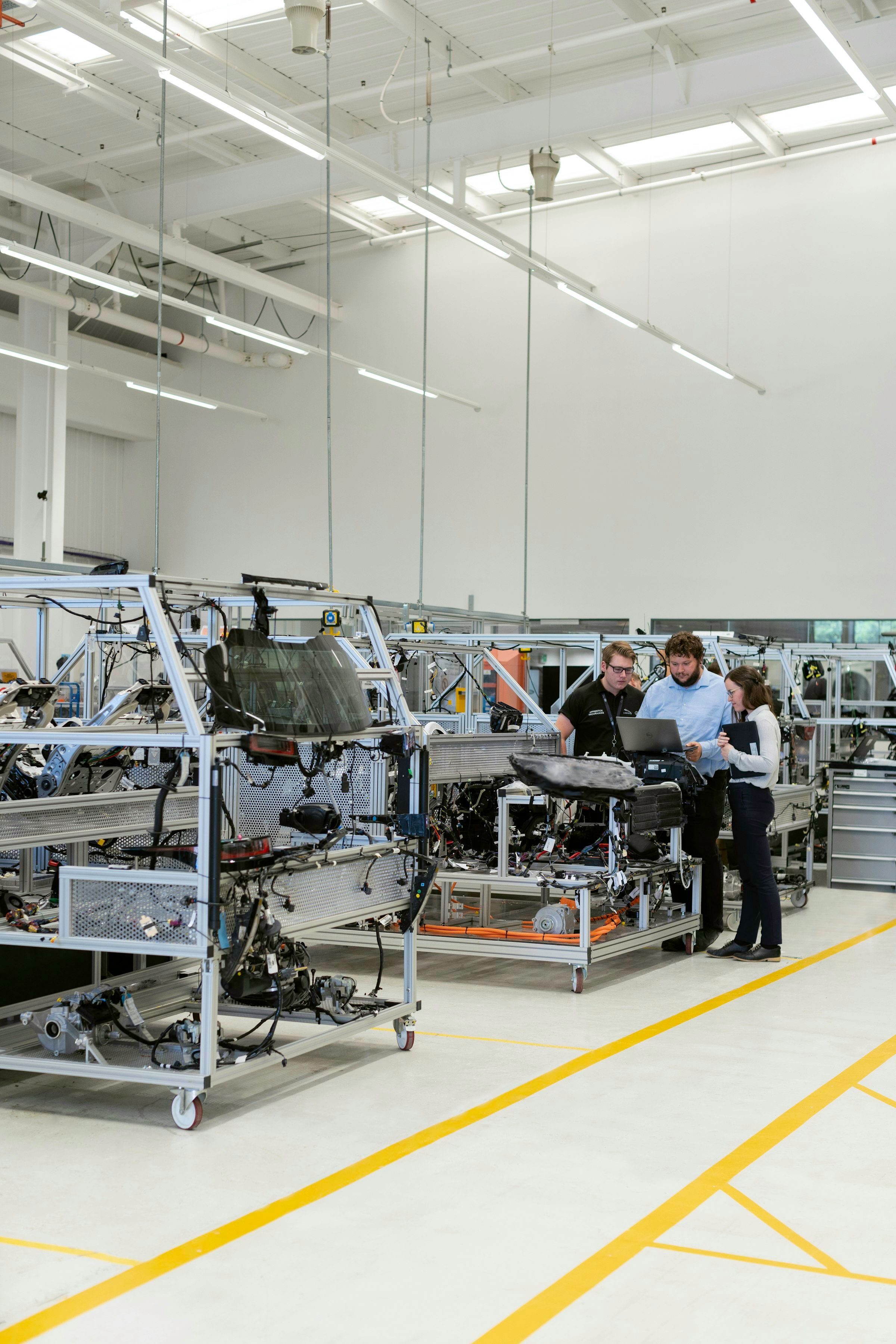
The value in an OEM or ODM relationship is not just avoiding capital expenditure on a factory. A manufacturing partner brings certifications that would otherwise take a new entrant a year or more to earn independently, ETL, BIS, AIS 138 and ISO 15118 among them, along with firmware that already speaks OCPP correctly, tooling and supply chain relationships for components that are difficult to source at low volume, and field reliability data from units already deployed. None of that transfers through a specification document. It only transfers through a partner who has already built, certified and shipped the category you are entering.
What You Keep: Brand, Pricing And The Customer Relationship
In a well-structured white-label partnership, your brand owns everything the customer actually experiences: the product name, the enclosure branding, the app or portal interface, pricing and go-to-market strategy, and the direct relationship with whoever buys or installs the charger. The manufacturing partner stays invisible to the end customer. This is precisely how most consumer electronics categories already work, phones, appliances, even much of the automotive supply chain, and it is why ODM-sourced EV chargers under dozens of regional brands are already common in markets like India without customers ever knowing or caring who built the hardware inside.
How Customisation Actually Works In Practice
Customisation on an ODM platform typically happens across four layers: physical branding, enclosure colour, logo placement and screen UI; firmware behaviour, session flow, RFID or app authentication methods, and language; connectivity, which backend management platform the charger reports to and which payment integrations it supports; and power or connector configuration within what the base platform supports. A capable manufacturing partner should be able to turn a branding and firmware customisation around in weeks, not months, since the underlying hardware and certifications do not change, only the layer the customer actually sees and interacts with.
Certification Transfer And Why It Matters
One of the most commonly misunderstood parts of white-label manufacturing is what happens to certifications when a product is rebranded. Safety and performance certifications such as ETL and BIS are typically issued against the underlying hardware design, not the brand name printed on it, which means a proven ODM platform can usually be rebranded without re-running the full certification process from zero, provided the manufacturing partner manages the paperwork correctly with the certifying body. This is a significant part of why ODM routes to market are faster than ground-up OEM development: the hardest, slowest part of bringing new charging hardware to market has already been completed once, by someone who does it for a living.
Choosing The Right Manufacturing Partner
The partner you choose matters more than the specific model you start with, because a good relationship compounds over years of product iterations while a bad one caps your growth at whatever the first batch allowed. Look for a manufacturer with its own in-house R&D rather than a pure trading intermediary, a track record of certifications already secured across the markets you plan to sell into, and a software platform, like Amaya, that your white-label product can run on from day one rather than requiring you to build backend infrastructure separately. The right partner turns a brand's market knowledge and a factory's engineering depth into a product neither could have shipped alone, and does it on a timeline measured in months rather than years.
Building an EV Charging Offering?
Talk to our engineering team about OEM, ODM and turnkey deployment.